
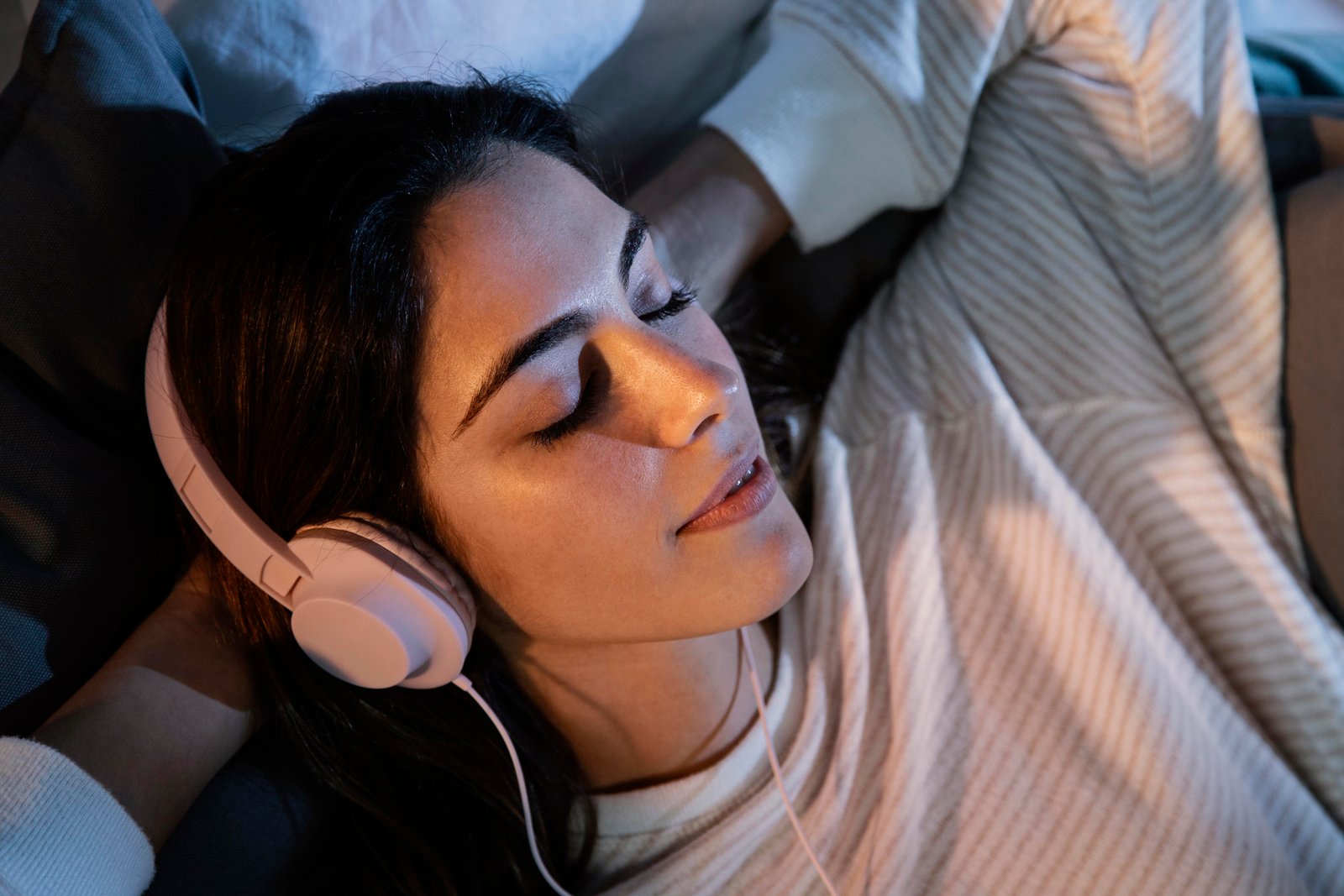
How to Choose the Right Calming Sounds for Sleep for You
Sleep doesn’t come easily to everyone. For many people, a quiet room isn’t always the most comforting environment—in fact, silence can sometimes amplify stress, racing thoughts, or environmental noises. That’s where choosing the right calming sound for sleep can make a real difference. The right audio backdrop can gently guide your mind into relaxation, helping you fall asleep faster and stay asleep longer.
But not all calming sounds work the same for everyone. What soothes one person might irritate another. The key is to understand your own preferences, environment, and sleep challenges so you can choose a sound that truly supports your rest.
Let’s explore how to find the right calming sounds for your sleep routine in a way that feels natural, effective, and sustainable.
Why Calming Sounds Help You Sleep
Before diving into how to choose the right sound, it helps to understand why sound can influence sleep in the first place.
Our brains remain active even when we’re trying to rest. Background noise—especially unpredictable sounds like traffic, barking dogs, or conversations—can disrupt sleep cycles. A consistent calming sound for sleep works by:
- Masking sudden environmental noises
- Slowing brainwave activity
- Creating a sense of familiarity and safety
- Reducing anxiety and mental chatter
This is why many people find it easier to sleep with some form of gentle audio rather than complete silence.
Understanding Your Sleep Personality
The first step in choosing the right calming sound is recognizing your own sleep tendencies.
Ask yourself:
- Do you struggle to fall asleep, or stay asleep?
- Are you sensitive to sudden noises?
- Do you feel anxious or restless at night?
- Do you prefer natural environments or structured sounds?
Your answers will help narrow down what kind of calming sound for sleep will work best for you.
For example, someone with anxiety may benefit from slow, rhythmic sounds, while someone living in a noisy area may need consistent noise masking like white noise.
Types of Calming Sounds and Who They Suit
There’s no universal “best” sound for sleep. Instead, there are categories of sounds, each suited to different needs.
1. Nature Sounds
Nature-based audio is one of the most popular choices.
Examples include:
- Rainfall
- Ocean waves
- Forest ambience
- Flowing rivers
These sounds work well because they are organic and non-repetitive. They create a soothing mental image and help reduce stress.
Best for:
- People who feel anxious or overstimulated
- Those who enjoy outdoor environments
- Light sleepers needing gentle masking
If you find comfort in natural settings, this type of calming sound for sleep can be incredibly grounding.
2. White Noise and Its Variations
White noise is a steady, consistent sound that masks other noises. Variations include pink noise and brown noise, each with slightly different frequency balances.
- White noise: Even distribution of sound
- Pink noise: Softer, more balanced
- Brown noise: Deeper and more bass-heavy
Best for:
- People in noisy environments
- Urban dwellers
- Light sleepers who wake easily
If your main issue is being disturbed by external sounds, this type of calming sound for sleep is often the most practical choice.
3. Instrumental and Ambient Music
Soft instrumental music, ambient soundscapes, or slow-tempo compositions can help regulate your breathing and heart rate.
Look for music that:
- Has no lyrics
- Maintains a slow, steady rhythm
- Avoids sudden changes in volume
Best for:
- People who enjoy musical structure
- Those who need help winding down mentally
- Individuals who associate music with relaxation
This category of calming sound for sleep can also become part of a bedtime ritual, signaling your body that it’s time to rest.
4. Guided Sleep Audio and Meditation
Some people benefit from guided experiences such as:
- Sleep meditations
- Body scans
- Gentle storytelling
These can help redirect your thoughts away from stress and into a more relaxed state.
Best for:
- Overthinkers
- People with anxiety or insomnia
- Beginners exploring mindfulness
If your mind tends to race at night, a guided calming sound for sleep can provide structure and reassurance.
5. ASMR and Soft Human Sounds
ASMR (Autonomous Sensory Meridian Response) includes sounds like whispering, tapping, or gentle brushing.
While not for everyone, it can be deeply relaxing for some individuals.
Best for:
- People who find comfort in human presence
- Those who respond to subtle sensory triggers
If you enjoy soft, intimate audio textures, this might be the right calming sound for sleep for you.
How to Experiment and Find What Works
Choosing the right sound is a personal process. What works best often comes through trial and observation.
Start Simple
Pick one category and try it for a few nights. Avoid switching sounds too frequently, as your brain needs time to associate the sound with sleep.
Pay Attention to Your Response
Notice:
- How quickly you fall asleep
- Whether you wake during the night
- How you feel in the morning
If a sound feels distracting or irritating, it’s not the right fit—even if it’s popular.
Adjust Volume Carefully
The sound should be:
- Loud enough to mask disturbances
- Soft enough to fade into the background
Too loud, and it becomes stimulating rather than soothing.
Matching Sounds to Your Environment
Your surroundings play a major role in choosing the right calming sound for sleep.
Noisy Environment
If you live near traffic, construction, or other disturbances:
- Choose white, pink, or brown noise
- Use continuous sound to mask interruptions
Quiet Environment
If your room is already quiet:
- Opt for gentle nature sounds or soft music
- Avoid overly dense or complex audio
Shared Spaces
If you share a room:
- Use headphones or sleep earbuds
- Choose sounds that won’t disturb others
Creating a Consistent Sleep Routine
The effectiveness of a calming sound for sleep increases when it’s part of a consistent routine.
Try this approach:
- Dim the lights 30–60 minutes before bed
- Turn on your chosen sound
- Avoid screens or stimulating activities
- Let your body gradually relax
Over time, your brain will begin to associate that sound with sleep, making it easier to drift off.
Common Mistakes to Avoid
Even the best sound won’t help if it’s used incorrectly.
1. Constantly Changing Sounds
Switching audio every night prevents your brain from forming a sleep association.
2. Choosing Overly Engaging Audio
Anything too interesting—like podcasts or dramatic music—can keep your mind active.
3. Ignoring Personal Preference
Just because something works for others doesn’t mean it will work for you.
4. Playing Sounds Too Loud
Volume matters. A harsh or dominant sound can disrupt rather than support sleep.
When Calming Sounds Alone Aren’t Enough
While a calming sound for sleep can be highly effective, it’s not a cure-all.
If you consistently struggle with sleep, consider other factors like:
- Stress levels
- Screen time before bed
- Caffeine intake
- Sleep schedule consistency
Sound should be part of a broader sleep strategy, not the only solution.
Building Your Personal Sound Library
Once you find a few sounds that work, keep them organized.
You might create a small “library” such as:
- Rain sounds for stressful nights
- White noise for noisy environments
- Soft music for general relaxation
Having options allows you to adapt based on your mood and situation while still maintaining consistency.
The Emotional Side of Sound
One often overlooked factor is emotional connection.
A sound that reminds you of:
- Childhood memories
- Peaceful vacations
- Safe environments
…can be far more effective than a generic track.
The best calming sound for sleep isn’t just technically soothing—it feels comforting on a personal level.
Final Thoughts
Choosing the right calming sound is less about finding a perfect universal solution and more about discovering what resonates with you. It’s a process of tuning into your body, your mind, and your environment.
Whether it’s the steady rhythm of rain, the gentle hum of white noise, or soft ambient music, the right sound can transform your sleep experience from restless to restorative.
Consistency, personalization, and mindful listening are the keys to making it work.
In the end, your ideal calming sound for sleep should feel effortless—something that fades into the background while quietly supporting your rest.
And if you’re exploring platforms for curated calming music and meditation audio, you may come across options like Music Medicine, which focuses on creating soothing sound environments designed to support relaxation and better sleep.










0 Comments